Showing posts with label stoma care. Show all posts

Friday, 9 March 2018

What Is Stoma Irrigation?


Stoma irrigation, also known as colostomy irrigation, is a way of regulating your bowel movements by emptying your colon every day at the same time. The procedure involves instilling a stream of water into the stoma to stimulate bowel muscles to trigger a bowel movement.

The amount of water you have to use during the irrigation process can be 500-1500mls. This process results in colon contraction, which promotes waste evacuation from the stoma. It is an ideal bowel emptying process if you have a sigmoid or descending colostomy.

It is necessary to repeat this process daily at the same time. It will take approximately 6-8 weeks for your bowel to become well-regulated. As a result, your colostomy will not spill stools between the irrigations. This process will also help stave off constipation.

Who is the right candidate for irrigation?

People with permanent sigmoid or descending colostomies are good candidates for colostomy irrigation. Ideally, your stoma should produce semi- or fully-formed stool. Due to the equipment required during irrigation, you should have good dexterity and eyesight.

You can start irrigating your colostomy two to three months after colostomy surgery. More importantly, you should feel well and healthy enough to start irrigating your stoma.

Stoma irrigation is not for everyone. That is why it is necessary to discuss this option with your nurse. You will be offered stoma irrigation in the clinic if he or feels you are a good candidate for this procedure. At the clinic, the nurse will guide you through the entire irrigation procedure.

Who is not a suitable candidate for this procedure?

You will not be able to irrigate your stoma if you suffer from ulcerative colitis or Crohn’s disease. You will also not be able to perform this procedure if you suffer from irritable bowel syndrome or diverticulitis. You will not be successful in irrigating your stoma if you tend to experience diarrhea.

Your healthcare provider will recommend you against irrigating your colostomy if you are receiving chemotherapy or radiotherapy.

Stoma irrigation will be difficult if you experience complications such as prolapse or tightening of the stoma or hernia.


Advantages of stoma irrigation

There are plenty of advantages of irrigating your colostomy. Some of them are the following.

    • You will have greater control over your bowel movements.

    • You will be able to lead a confident and much better life.

    • It will help you control your winds or gas.

    • instead of wearing a large ostomy bag, you can wear a small bag or a stoma cap.

    • You will not have to worry about keeping too many ostomy supplies.

    • You will be able to have a more relaxed diet.

Disadvantages of stoma irrigation

    • You will need to be committed to the procedure and allocate a fair bit of time to learn and perform it.

    • Since this procedure can take an hour, you will have to be determined throughout the process.

    • If you experience an upset stomach, you have to stop irrigating your stoma.

If you want to avoid complications, be sure to discuss stoma irrigation with your ostomy care nurse. Ask them about any situations that may restrict you from continuing with this process.

Thursday, 15 February 2018

Tips To Unblock a Stoma


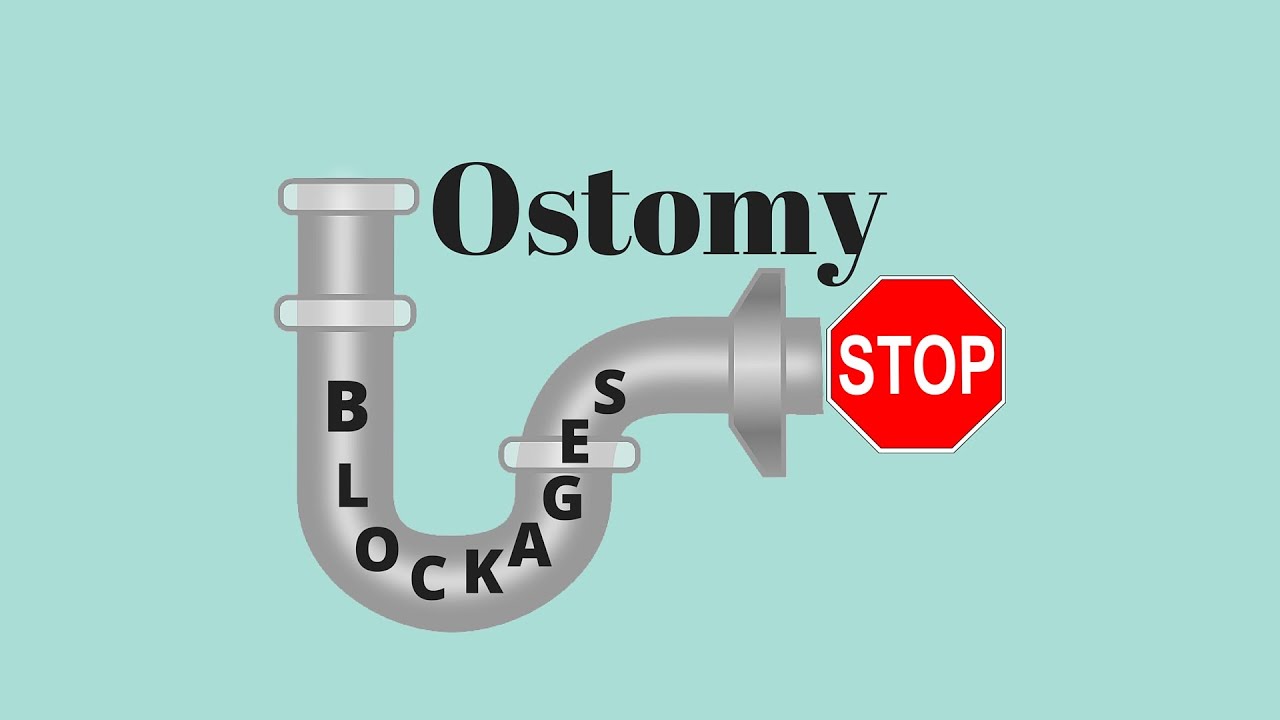
The thought of a stoma blockage can be pretty frightening if you have an ostomy. This blockage is also referred to as bowel obstruction, which prevents passing out of all or a significant amount of the stool. It usually happens due to inflammation, food blockage, twisting of intestines, or the development of scar tissues.

This blockage can result in some specific symptoms. The good news is that you can deal with most of them at home. In this article, we will discuss how to check for blockage symptoms and their treatment.


How to know if the stoma is blocked

The most prominent sign of a stoma blockage is the slowing down or stopping of the stomal output. There are two types of stoma blockages: partial blockage and complete blockage. A partial blockage is when the stoma only produces strong-smelling liquid or mucus. A complete blockage, on the other hand, produces nothing at all.


A blockage may remain persistent for several days if you have a colostomy. Initially, you will feel constipated. So, you might not even have the idea that you have a blockage. A blockage can happen fairly quickly and there might not be any constipation in case of an ileostomy. Since an ileostomy produces stools throughout the day, seeing it quiet for a few hours can be quite alarming.


A few signs of stoma blockage include are the following.


· Nausea

· Swollen abdomen

· Swelling or change of color in the stoma itself

· Reduced urine output

· Dry mouth

· Vomiting


How to deal with a blockage at home

If you think you have a stoma blockage, the first thing you should do is speak to your ostomy care nurse or healthcare provider to get instructions on what to do. The good thing is that you can treat even some of the severe blockage issues at home.


· First and foremost, increase your fluid intake. Water and hot tea can help significantly.

· You can gently massage around the stoma to work the blockage to its way out.

· Having a hot bath or applying a heated pad can help relax abdominal muscles, promoting bowel movement.

· If the stoma seems unusually swollen, you may need to check whether its hole has to be cut a bit larger.

· You can try lying down and lift your knees to your chest. You will then have to roll them gently from side to side.

· If you have a colostomy, your healthcare provider may recommend you some laxatives to promote bowel movement.

· Make sure to walk around quite a bit more to promote digestion and reduce blockage.


If you have a stoma blockage, you may have to reduce what you eat. However, you should increase your fluid intake.


Remember, if home remedies fail to produce results, you must consult with a healthcare provider or an ostomy care nurse. You can speak to your doctor for a medical appointment. Having a stoma blockage is not just irritating but also life-threatening in some cases. So getting it treated promptly is a must.

DIY for Ostomy Bag Cover

Sometimes wearing an ostomy bag may cause skin displeasure and discretion but these issues can be resolved by DIY of ostomy bag cover. In th...